About The Song
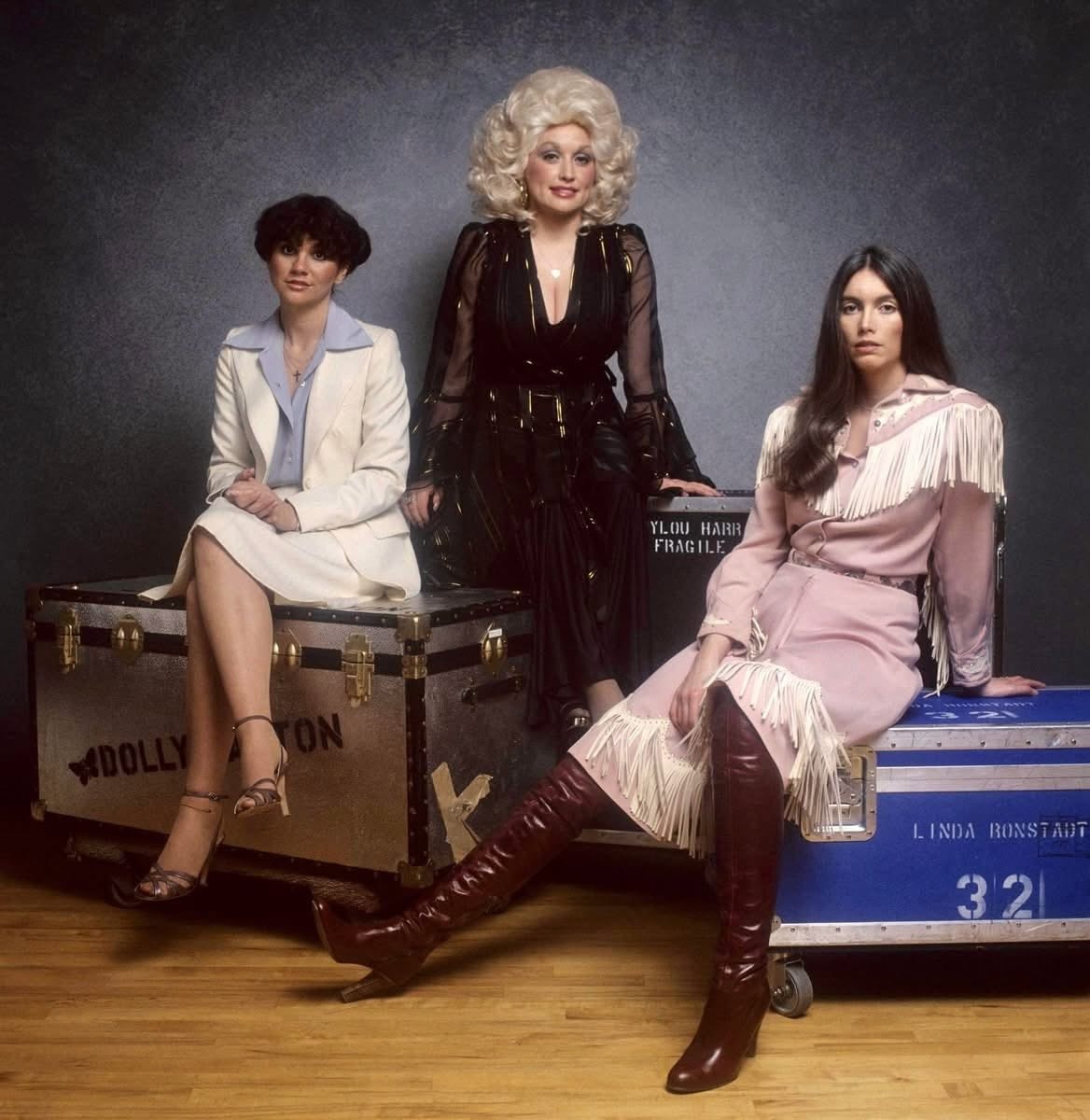
The Sweetest Gift holds a special place in the story of Dolly Parton, Linda Ronstadt, and Emmylou Harris. The song itself is older than any of their individual careers. Gospel songwriter James B. Coats wrote it in the 1940s, and the earliest known recording came from James and Martha Carson in 1946. It tells a simple, moving story: a mother travels to a prison to visit her son. She carries no pardon, no money, and no fancy presents. What she brings instead is her smile—a gift described as a halo sent down from heaven. The walls around him could never change the fact that he remained her baby.
Linda Ronstadt was the first of the three to record it commercially. She included the song on her 1975 album Prisoner in Disguise, with Emmylou Harris adding harmony vocals and acoustic guitar. That duet version reached No. 12 on the Billboard Hot Country Songs chart. The sparse arrangement let their voices carry the emotion without distraction, and the record helped introduce the old gospel number to a wider country audience.
The version most people associate with all three women came a year later. In 1976, Dolly Parton was hosting her syndicated variety series Dolly! and invited both Ronstadt and Harris as guests. During the second episode they gathered around a single microphone and sang “The Sweetest Gift” together. Harris played acoustic guitar while a piano provided the only other accompaniment. The three-part harmony that emerged was striking—clear, unforced, and deeply felt. Viewers and the artists themselves recognized something rare in that moment. It was the first time the three had performed as a unit on television, and it planted the seed for what would eventually become their celebrated collaboration.
That full studio album, Trio, would not arrive until March 1987, more than a decade later. Scheduling conflicts and different record labels made the project difficult to complete. In the meantime, the 1976 television performance of “The Sweetest Gift” remained the clearest early evidence of how naturally their voices blended. When Trio finally appeared it became a major success, topping the country albums chart and selling more than a million copies, but “The Sweetest Gift” itself was never released as a commercial single by the three of them. Its power lived in that live television moment and in the Ronstadt-Harris studio recording that preceded it.
The song’s quiet strength lies in its refusal to overcomplicate the emotion. A mother does not lecture or demand. She simply shows up and offers the one thing that still belongs completely to her son—her love, expressed through a smile. That image has kept the song alive across gospel, bluegrass, and country traditions for decades. Other artists, including The Judds, later recorded their own versions, but the three-voice performance from Dolly’s television show continues to stand out for many listeners as the definitive reading.
In the years that followed, Parton, Ronstadt, and Harris would go on to make two studio albums together and collect Grammy awards for their work. Yet the origin of that partnership can be traced back to a single evening in 1976 when they sat down and sang an old song about a mother’s unconditional love. “The Sweetest Gift” was never the biggest chart hit of their careers, but it became one of the most meaningful early markers of a collaboration that still feels special more than forty years later.
Video
Lyric
One day a mother went to a prison
To see an erring but precious son
She told the warden how much she loved him
It did not matter what he had done
She did not bring to him a parole or pardon
She brought no silver, no pomp or style
It was a halo bright sent down from heaven’s light
The sweetest gift, a mother’s smile
She left a smile you can remember
She’s gone to heaven from heartaches free
Those walls around you could never change her
You were her baby and e’er will be
She did not bring to him a parole or pardon
She brought no silver, no pomp or style
It was a halo bright sent down from heaven’s light
The sweetest gift, a mother’s smile
She did not bring to him a parole or pardon
She brought no silver, no pomp or style
It was a halo bright sent down from heaven’s light
The sweetest gift, a mother’s smile
The sweetest gift, a mother’s smile